 11
11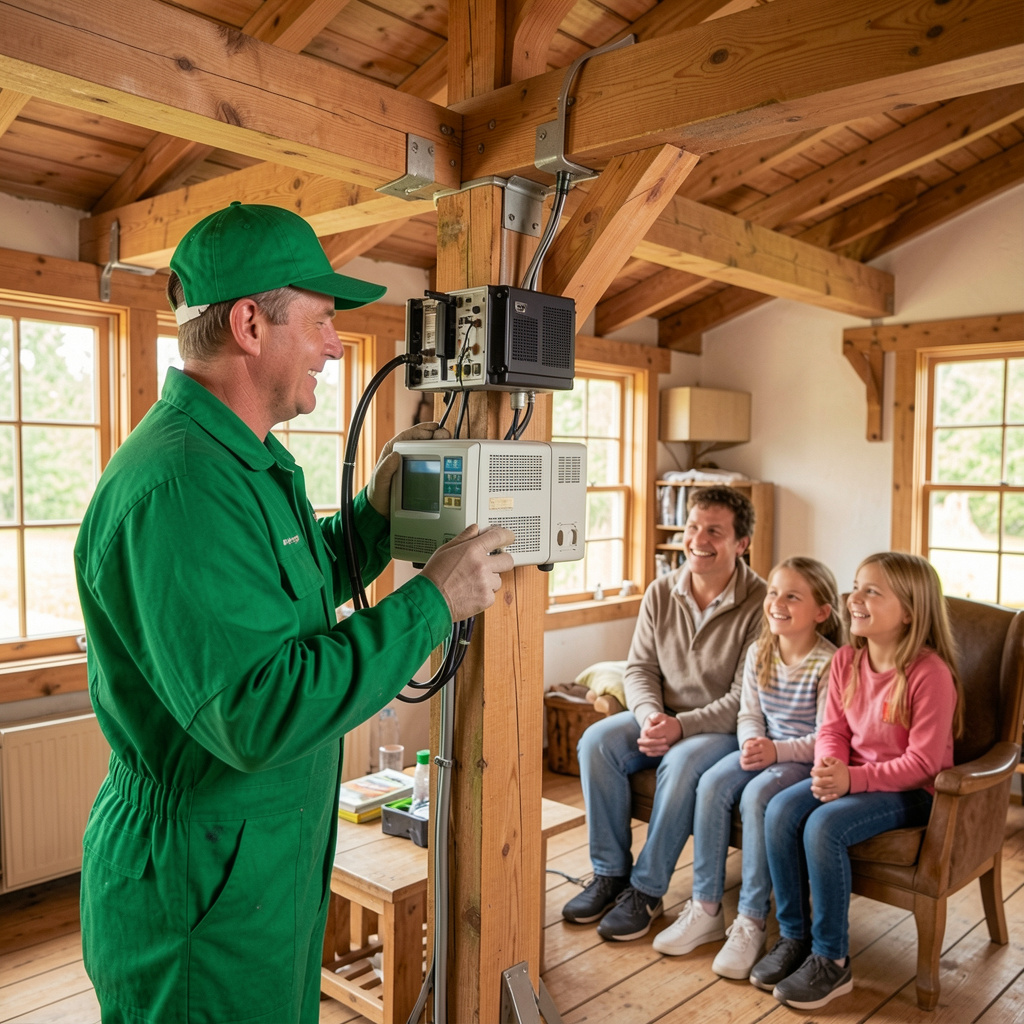
Wood is one of the most durable and versatile construction materials, widely used in homes, cabins, commercial buildings, and historic properties. From roof trusses and floor joists to wall framing and exposed beams, timber provides strength, natural beauty, and long-lasting performance. However, like any natural material, wood can be affected by moisture. When timber remains damp for extended periods, mold can begin to develop, potentially leading to cosmetic damage, unpleasant odors, and, in some cases, deterioration of the wood if the underlying moisture problem is not addressed.
Recognizing the early signs of mold growth is essential. Prompt action can help prevent more extensive damage, preserve structural timber, and maintain a healthier indoor environment. In this guide, you’ll learn how to identify mold in wooden structures, understand its common causes, and discover the best ways to prevent and manage it.
Mold is a type of fungus that grows in moist environments by feeding on organic materials, including wood. It reproduces by releasing microscopic spores into the air, which settle on damp surfaces and begin growing when conditions are favorable.
Although mold is often visible on the surface of wood, the underlying cause is almost always excess moisture rather than the wood itself.
Wood naturally absorbs and releases moisture as humidity changes. When timber stays wet or damp for prolonged periods, mold can begin to grow.
Common sources of moisture include:
Addressing the moisture source is the first step toward preventing mold from returning.
Identifying mold in its early stages makes treatment easier and reduces the risk of further deterioration.
Common warning signs include:
Mold often appears as patches of:
The color varies depending on the mold species and the surface on which it is growing.
A persistent earthy or musty smell is often one of the earliest signs of hidden mold, even before visible growth appears.
If an unusual odor develops in roof spaces, basements, or around wooden structures, it is worth investigating further.
Timber that feels damp long after rainfall or cleaning may indicate an ongoing moisture problem that encourages mold growth.
Moisture meters can help professionals assess the moisture content of wood more accurately.
Wood that becomes noticeably soft may indicate prolonged moisture exposure.
While mold itself doesn’t always weaken structural timber, the damp conditions that allow mold to grow can also encourage fungal decay, which may affect the wood’s strength over time.
When moisture becomes trapped beneath paint, varnish, or other finishes, you may notice:
These signs often suggest that moisture is affecting the timber underneath.
Mold is more likely to develop in locations with poor airflow or persistent dampness.
Inspect:
Regular inspections in these areas can help identify problems early.
Although both involve fungi, mold and wood decay are not the same.
| Mold | Wood Decay |
|---|---|
| Usually grows on the surface | Develops within the wood |
| Primarily affects appearance | Can weaken structural timber |
| Often indicates excess moisture | Requires prolonged moisture exposure |
| Usually easier to remove once moisture is controlled | May require repairs or replacement if extensive |
Both conditions should be taken seriously because they often indicate ongoing moisture issues.
Mold does not directly attract wood-boring insects such as woodworm.
However, damp timber that supports mold growth may also create conditions that are more favorable for some wood-boring beetle species.
For this reason, any persistent moisture problem should be addressed promptly.
The best way to prevent mold is to control moisture.
Helpful measures include:
Keeping timber dry is the most effective long-term preventive strategy.
Good airflow helps reduce condensation and allows timber to dry naturally.
Pay particular attention to:
Proper ventilation helps reduce moisture buildup throughout the property.
Inspect wooden structures at least once each year.
Look for:
Routine inspections allow problems to be addressed before significant damage develops.
If an active woodworm infestation is also confirmed, treatment depends on:
Professional options include approved chemical treatments and modern heat-based technologies.
One increasingly popular chemical-free option is microwave woodworm treatment.
Professional microwave equipment uses dielectric heating to generate controlled heat inside timber.
The treatment is designed to eliminate:
A timber preservation specialist can determine whether this treatment is appropriate if an active infestation is identified.
Avoid these common errors:
Correcting the underlying moisture problem is essential for long-term success.
Fact: In many cases, mold can be managed once the moisture source is identified and corrected. Replacement is generally considered only if the timber has suffered significant decay or structural damage.
Fact: Surface cleaning may remove visible mold, but unless the moisture issue is resolved, mold can return.
Fact: Even well-maintained homes can develop mold if leaks, condensation, or poor ventilation create localized damp conditions.
Professional advice is recommended if you notice:
A qualified timber preservation specialist or building surveyor can inspect the affected area, identify the source of moisture, assess the condition of the timber, and recommend appropriate repairs or treatment.Visit online https://www.shashel.eu for more details.
Mold growth in wooden structures is usually a sign of excess moisture rather than a problem with the wood itself. Early warning signs—such as discoloration, musty odors, damp timber, and peeling finishes—should never be ignored, as they often indicate conditions that could eventually lead to more serious deterioration. By controlling moisture, improving ventilation, maintaining the building, and inspecting timber regularly, homeowners can significantly reduce the risk of mold and protect their wooden structures for years to come.
If wood-boring insects are also discovered, professional treatment—whether through approved chemical products or modern chemical-free technologies such as microwave woodworm treatment—can help eliminate active infestations while preserving valuable structural timber. Combined with good moisture management, these preventive measures provide the best long-term protection for wooden buildings.