 11
11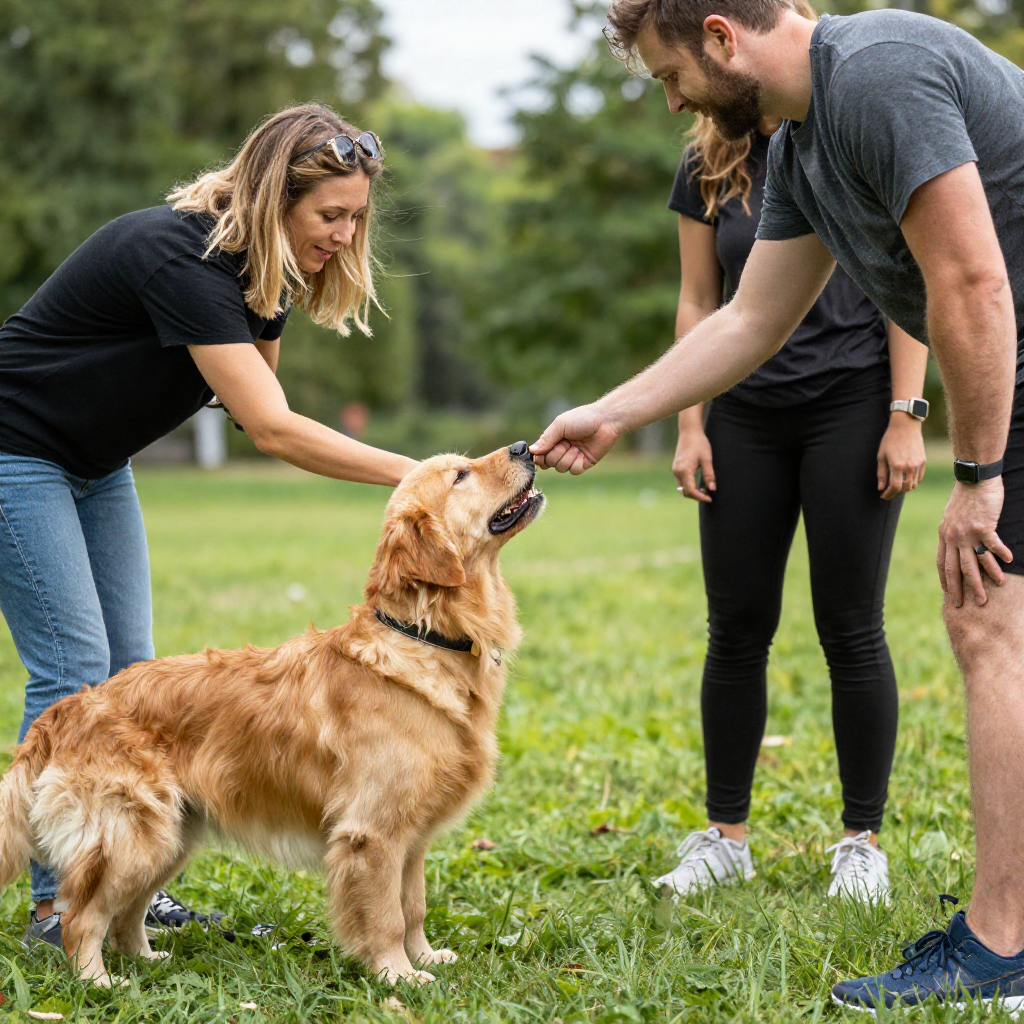
Living with a dog should be rewarding, enjoyable, and built on trust. However, unwanted behaviors such as excessive barking, jumping, leash pulling, reactivity, or anxiety can create stress for both pets and their owners. Pet behavior training Arizona gives families the knowledge and practical techniques needed to address these challenges while strengthening the bond they share with their dogs. Rob’s Dog Training believes that successful behavior improvement begins with understanding each dog’s individual needs and using proven, reward-based methods.
Behavior training goes beyond teaching simple commands. It focuses on understanding why dogs behave the way they do and replacing unwanted habits with appropriate alternatives through consistent, positive reinforcement. Whether working with a young puppy or an older dog, thoughtful training helps create a calmer home, safer interactions, and greater confidence in everyday situations.
Every behavior serves a purpose from a dog’s perspective. Barking may be an attempt to communicate, pulling on the leash may come from excitement, and chewing may be linked to boredom or stress. Instead of correcting behaviors without understanding their cause, effective training identifies the motivation behind the action.
When owners understand these motivations, they can teach more appropriate responses that are easier for dogs to repeat. This approach builds trust while reducing frustration for everyone involved.
Some of the most common benefits include:
Many behavioral concerns develop gradually rather than appearing overnight. Early recognition allows owners to address small issues before they become more difficult habits.
Dogs bark for many reasons, including excitement, fear, boredom, territorial behavior, or alerting their family to changes in the environment. Training helps identify these triggers while teaching alternative responses that reduce unnecessary barking without discouraging healthy communication.
Leash pulling often occurs because dogs naturally move faster than humans. Without guidance, they quickly learn that pulling helps them reach interesting sights and smells.
Consistent training teaches dogs that staying near their handler leads to continued movement and rewarding experiences.
Many dogs greet people by jumping because it has unintentionally been rewarded with attention in the past. Behavior training teaches calm greeting routines that make visitors feel comfortable while helping dogs succeed.
Some dogs struggle with unfamiliar environments, loud noises, separation, or new experiences. Structured behavior training gradually builds confidence through controlled exposure and positive reinforcement.
Reactive behavior may include barking, lunging, or intense excitement toward other dogs, people, bicycles, or moving objects. Training focuses on changing emotional responses while teaching calm alternative behaviors.
Modern behavior training emphasizes rewarding desired behaviors instead of relying on punishment. Dogs naturally repeat behaviors that produce positive outcomes.
Positive reinforcement can include:
Reward-based training encourages dogs to think, learn, and willingly participate while strengthening their relationship with their owners.
Successful training depends on clear communication. Dogs learn through consistency rather than lengthy verbal explanations.
Owners who communicate effectively typically:
Over time, dogs begin to understand expectations with greater confidence.
Dogs thrive on routine. If household rules constantly change, learning becomes confusing.
For example, if one family member allows jumping while another discourages it, dogs receive conflicting information. Consistency among everyone involved creates faster learning and more reliable behavior.
Helpful habits include:
Small, consistent efforts often produce better results than occasional lengthy training sessions.
Socialization is one of the most valuable investments owners can make in a young dog’s future behavior.
Proper socialization introduces puppies to:
Positive early experiences help reduce fear while building resilience and confidence that lasts into adulthood.
Physical activity alone does not meet every dog’s needs. Intelligent breeds especially benefit from activities that challenge problem-solving abilities.
Mental enrichment may include:
A mentally engaged dog is often calmer, more focused, and less likely to develop unwanted habits caused by boredom.
Small behavioral concerns often become larger if ignored.
For example:
Addressing concerns early allows owners to guide behavior before unwanted habits become deeply established.
Dogs may perform perfectly inside the home but struggle in distracting environments. True behavior training prepares dogs for everyday situations rather than only controlled practice sessions.
Training should gradually include:
Gradually increasing distractions helps dogs generalize learned behaviors across different situations.
Professional instruction provides valuable guidance, but owners remain the most important part of a dog’s learning journey.
Daily interactions influence behavior more than occasional training sessions.
Owners support progress by:
Dogs learn through repetition, making everyday routines valuable opportunities for continued progress.
Every dog has unique needs based on factors such as:
An individualized approach helps owners focus on practical goals while addressing each dog’s specific behavioral challenges instead of relying on one-size-fits-all methods.
Training does not stop after formal sessions. Small daily habits reinforce positive behavior throughout a dog’s life.
Helpful routines include:
Many owners naturally notice unwanted behavior while overlooking calm moments. Rewarding relaxation teaches dogs that calm choices earn attention.
Consistent feeding, exercise, rest, and training schedules help reduce uncertainty while encouraging emotional stability.
Exercise supports both physical and mental health. The amount needed varies depending on age, breed, and energy level.
Even experienced dogs benefit from practicing familiar behaviors while learning new skills that keep their minds active.
Even well-intentioned owners sometimes slow progress by making avoidable mistakes.
These include:
Recognizing these habits allows owners to adjust their approach while maintaining steady improvement.
Confidence grows gradually through successful learning experiences.
Training encourages confidence by:
Confident dogs typically recover more quickly from unfamiliar situations while making better behavioral choices.
Behavior training provides lasting value beyond solving immediate challenges.
Families often notice improvements in:
These improvements contribute to stronger relationships and greater enjoyment throughout a dog’s lifetime.
When seeking pet behavior training Arizona, owners should look for programs that prioritize education for both dogs and their families.
Helpful qualities include:
A collaborative approach allows owners to continue reinforcing good behavior long after formal training sessions have ended.
Successful pet behavior training Arizona is about far more than correcting unwanted behaviors. It creates stronger communication, builds confidence, improves safety, and supports a healthier relationship between dogs and the people who care for them. Through patient guidance, positive reinforcement, consistent practice, and a deeper understanding of canine behavior, dogs develop skills that help them succeed in everyday life.
By working with experienced professionals such as Rob’s Dog Training, pet owners can build lasting habits that contribute to happier homes, well-mannered companions, and stronger lifelong relationships with their dogs.